Editorial review: November 12, 2026
“More of others, less of you” can be a useful reminder before a conversation. It does not mean that your view matters less. It means making enough room to understand the other person before deciding what they need, explaining your position or offering a solution.
Listening comes before adaptation. If you skip that step, a polished message can still answer the wrong question. You may think a colleague wants encouragement when they actually need a decision, or assume they oppose a plan when they are pointing out a missing dependency.
Ask an open question
Begin with something the other person can answer in their own terms: “What is the main difficulty?” “What would a workable result look like?” or “What do you need from this discussion?” Keep the question short and allow the answer to finish before preparing your next argument.
A question can sound open while still steering toward your preferred answer. “Why can’t you just use the new process?” assumes the process is the solution. “What happens when you try the new process?” invites information you may not have considered. Follow the account with a specific question when something remains unclear.
Reflect what you heard
Summarize the meaning rather than repeating every word. “You are concerned that the extra review adds time without clarifying who approves the final version” shows the interpretation you are working from. Then ask whether you have understood correctly.
This is a check, not a technique for manufacturing agreement. The person may correct you. Thank them for clarifying and revise the summary before moving on. It is better to discover a misunderstanding early than to build a detailed response on the wrong premise.
A worked listening exchange
Here is an illustrative conversation. A colleague says, “These last-minute requests make it impossible to plan my week.” Your first impulse may be to explain why the customer matters. Pause and ask, “Which part of the request is creating the biggest problem?”
They explain that the request bypassed the project owner, so two people have assigned conflicting deadlines. You reflect: “The urgent work is manageable, but you need one person to confirm which deadline takes priority. Is that right?” They agree and add that they need the decision in writing.
Now your response can address the actual issue: “Let’s ask the project owner to set the priority today. I will record the decision in the tracker so we both have the same instruction.” Listening has changed the next step. A generic reassurance or an attempt to identify the colleague’s color would not have resolved the conflicting ownership.
Separate observation from assumption
Notice what the person said or did, then identify the interpretation you added. A short answer might mean they are busy, frustrated, uncertain or simply concise. Ask about the relevant context rather than treating one behavior as a complete personality description.
Insights Discovery can provide language for discussing preferences, but it does not require you to guess a color before you can listen well. A person’s own account of what helps them work is the starting point. Keep checking as the situation changes.
Adapt after you understand
Once the need is clearer, decide how to respond. You might provide a concise decision, explain the evidence, invite ideas or allow time for reflection. State your own constraints honestly. Listening does not require granting every request; it helps you explain an available option in terms the other person can use.
Before ending, confirm who will do what and when. If you cannot resolve the issue immediately, say what you will check and when you will return with an answer. An attentive conversation loses value if the promised follow-up disappears.
Review your listening habits
After a useful or difficult conversation, ask: Did I interrupt? Did I check my interpretation? Did the other person’s information change my response? Is there a next step we both understand? Choose one habit to practice in the next exchange rather than trying to perform a perfect script.
Continue with effective listening for the broader skill, or intentional connection for sequencing a conversation. Our four-color communication playbook offers delivery examples once you know what the listener needs.
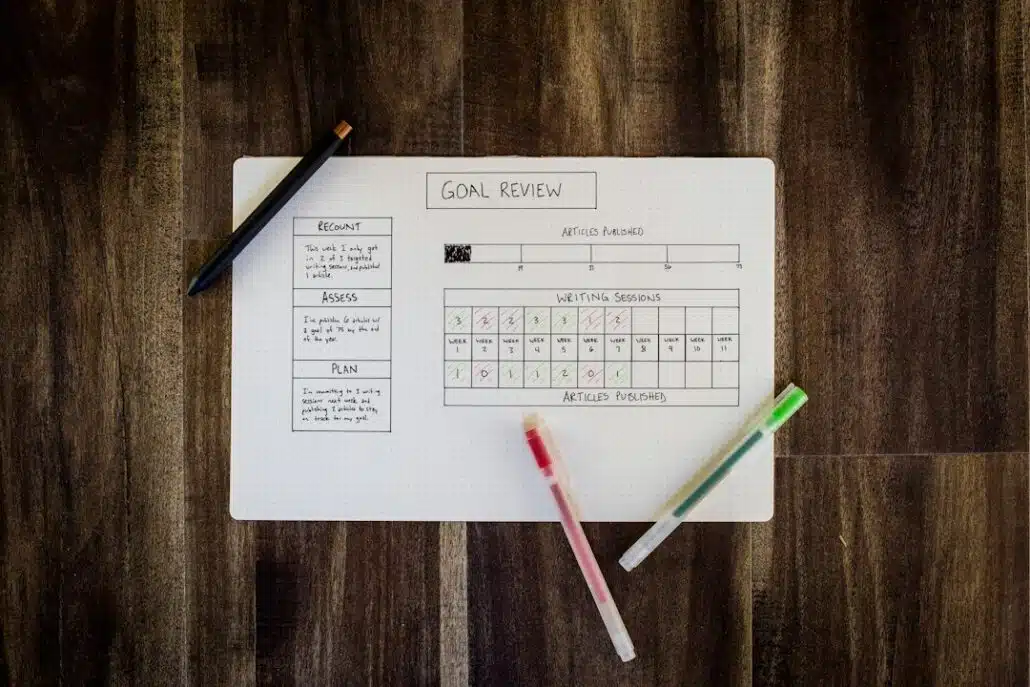
Illustrative photo by Redd Francisco on Unsplash.